India is entering one of its most fragile hydrological periods in recent years as rapidly declining reservoir levels across the country expose a widening national water crisis driven by climate variability, erratic rainfall, rising temperatures, groundwater depletion and growing human demand.
With summer heat intensifying ahead of the monsoon, concerns are mounting over irrigation shortages, drinking water stress, declining hydropower generation and the long-term sustainability of India’s river systems. Fresh data released by the Central Water Commission have painted an alarming picture.
Advertisement
The Commission, which monitors 166 major reservoirs and 20 river basins across the country, reported that India lost nearly 8 billion cubic metres (BCM) of stored water within just two weeks. Reservoir storage declined from 71.082 BCM on 30 April 2026 to 63.232 BCM on 14 May. In percentage terms, national storage levels fell from 38.72 per cent to 34.45 per cent of total live storage capacity during the same period.
The decline may appear statistical at first glance, but experts warn that the figures reflect a deeper environmental imbalance now unfolding across the subcontinent. Reservoirs, which function as the country’s strategic water buffer during dry periods, are increasingly struggling to maintain adequate storage under the combined effects of climate change and unsustainable extraction.
In several regions, reservoirs are already operating at critically low levels even before the arrival of peak summer. The emerging crisis has sharpened anxieties because India’s water system remains overwhelmingly dependent on the monsoon. Nearly 80 per cent of annual rainfall occurs within a short four-month period between June and September. Any delay, spatial imbalance or weakening of monsoon activity therefore places enormous pressure on reservoirs, groundwater systems and river flows.
Although early monsoon forecasts have offered some optimism, climate scientists remain cautious due to evolving El Niño–Southern Oscillation (ENSO) conditions in the Pacific Ocean. Historically, El Niño years have been associated with weaker monsoon rainfall over India, leading to drought-like conditions in many river basins. Even where seasonal rainfall totals appear normal, erratic distribution patterns increasingly produce long dry spells interrupted by extreme rainfall events, limiting effective groundwater recharge and reservoir replenishment. Southern India under severe stress The reservoir crisis is currently most visible across southern India, where water levels in several major reservoirs have fallen below half of their normal storage capacity.
Tamil Nadu, Karnataka, Telangana and parts of Kerala are witnessing rapidly shrinking water reserves amid soaring temperatures and rising agricultural demand. The Vaigai Reservoir in Tamil Nadu presently retains only 12.47 per cent of its normal storage level. The Aliyar Reservoir has dropped to 21.25 per cent, while the Periyar Reservoir remains at 41.65 per cent. Tattahalla Reservoir in Karnataka has declined to 26.27 per cent. These reservoirs are crucial not only for irrigation but also for domestic supply to expanding urban and semi-urban populations.
Agricultural communities dependent on canal irrigation are already expressing concern over possible restrictions on water release if the monsoon arrival is delayed. In many districts, groundwater extraction has intensified as farmers attempt to compensate for declining surface water availability. This growing dependence on groundwater, however, is further accelerating aquifer depletion across several states. The situation in western and central India is equally worrying.
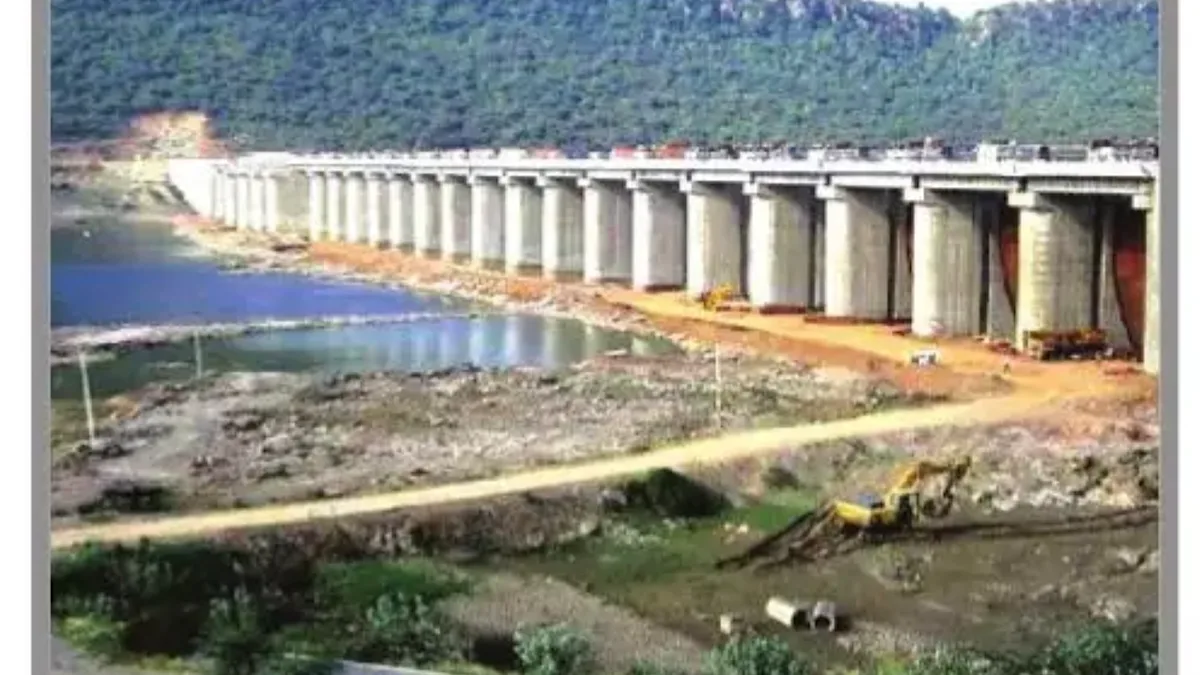
Chandan Dam in Bihar, Bhima Ujjaini Reservoir in Maharashtra and Maudaha Reservoir have reportedly reached zero storage levels. Other reservoirs including Rajghat Dam, Khandong Reservoir and Tehri Dam are also experiencing serious water stress. The speed of decline has alarmed hydrologists because reservoir levels are falling sharply even before the peak of summer demand. Experts believe that if temperatures continue to rise through late May and June without significant rainfall activity, several regions could enter severe water distress conditions.
(Writer is a senior staff reporter with The Statesman)